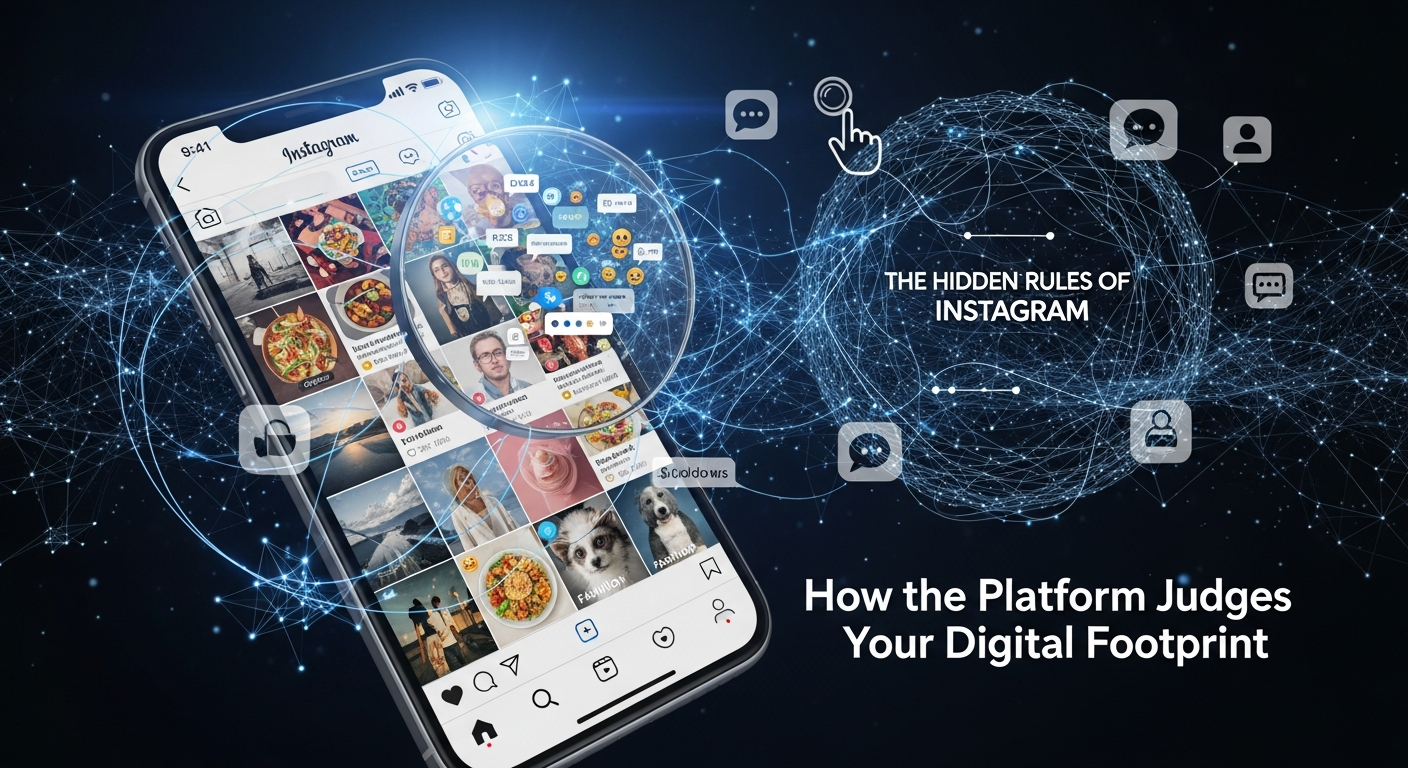
You probably think your Instagram experience comes down to who you follow and what you post. And honestly, that’s what Meta wants you to believe. The reality? There’s a whole surveillance apparatus running behind every scroll, tap, and double-click you make on the app.
Instagram doesn’t use one algorithm. It runs separate ranking systems for your feed, Stories, Reels, and Explore page. Each one processes different signals to decide what shows up on your screen (and more importantly, what doesn’t).
What Instagram Actually Tracks
Here’s something most people miss: Instagram watches way more than your likes and comments. The platform logs how long you pause on specific posts, which profiles make you tap “see more,” and whether you consistently interact with certain content categories.
The technical tracking goes deeper. Instagram monitors your IP address, creates device fingerprints, and watches for behavioral patterns that look automated. Running multiple accounts from the same WiFi network? The platform notices. Showing engagement patterns that mirror bot activity? Flagged.
Push past certain invisible limits and you’ll face anything from reduced reach to a full account lockout. Learn more about Instagram IP ban enforcement and what happens when the platform decides your network connection itself is the problem.
How Content Gets Scored
Every post you create gets assigned a relevancy score before Instagram decides who sees it. Research from Stanford Graduate School of Business found that social media footprints reveal surprisingly intimate details about users, and platforms actively exploit this data to optimize what content gets served.
Instagram weighs five engagement signals most heavily: view time, comments, likes, shares, and profile taps. Posts that generate quick early engagement get amplified. Content that sits flat for the first hour? Basically dead on arrival.
The platform also calculates relationship strength between accounts. If you and another user swap comments regularly, DM each other, and show up in tagged photos together, you’ll see more of each other’s posts. Instagram reads these interactions as signs of actual friendship rather than random following.
The Shadowban Question
Creators have complained about shadowbans for years. The term describes invisible restrictions where your content stops appearing in feeds and hashtag results, but Instagram never tells you it’s happening.
Meta’s official line? They don’t shadowban. But ask any creator who’s watched their engagement crater overnight, then mysteriously recover two weeks later. Something’s clearly going on. The Meta Transparency Center explains how enforcement scales based on violation severity and account history, though the specifics remain frustratingly vague.
Common triggers include using banned hashtags (Instagram maintains a secret list), posting content that automated classifiers flag, acting like a bot, or getting mass-reported by other users. Sometimes accounts get restricted just for posting about topics the algorithm associates with rule-breaking.
Behaviors That Get You Flagged
Instagram’s systems hunt for activity that doesn’t match normal human patterns. Follow 200 accounts in an hour and you’ll hit a wall. Like 500 posts in a single day and expect restrictions. Drop the same comment across dozens of posts and watch your account get throttled.
Wikipedia’s documentation on digital footprints covers how platforms analyze behavioral data to spot manipulation. Instagram specifically tracks velocity (action speed), diversity (target variation), and timing (whether patterns look human or mechanical).
Third-party tools that promise follower growth or automated engagement? They’re basically account suicide. Even the ones claiming to be “undetectable” create behavioral signatures that Instagram’s systems have learned to recognize. The platform’s detection capabilities have gotten scary good over the past few years.
What Actually Works
Gaming Instagram’s systems isn’t really possible anymore. The sustainable path forward is boring but effective: act like a normal person using the app.
Post consistently but don’t flood. Engage with accounts in your niche because you’re genuinely interested, not because you’re trying to trigger reciprocal follows. Stay away from apps asking for your login credentials, especially anything promising growth hacks.
Accounts that build real communities outperform those chasing follower counts. Responding to comments, jumping into conversations, maintaining a regular posting rhythm: these behaviors signal authenticity to Instagram’s ranking systems.
Why This Matters
Instagram’s invisible scoring reflects how all major platforms operate now. They profit from your attention, so their algorithms optimize for engagement above everything else.
Your digital footprint on these platforms goes way beyond what you intentionally share. Every micro-interaction feeds prediction systems designed to keep you on the app longer. Knowing how this works won’t necessarily help you beat the algorithm, but it might change how you think about the time you spend there.