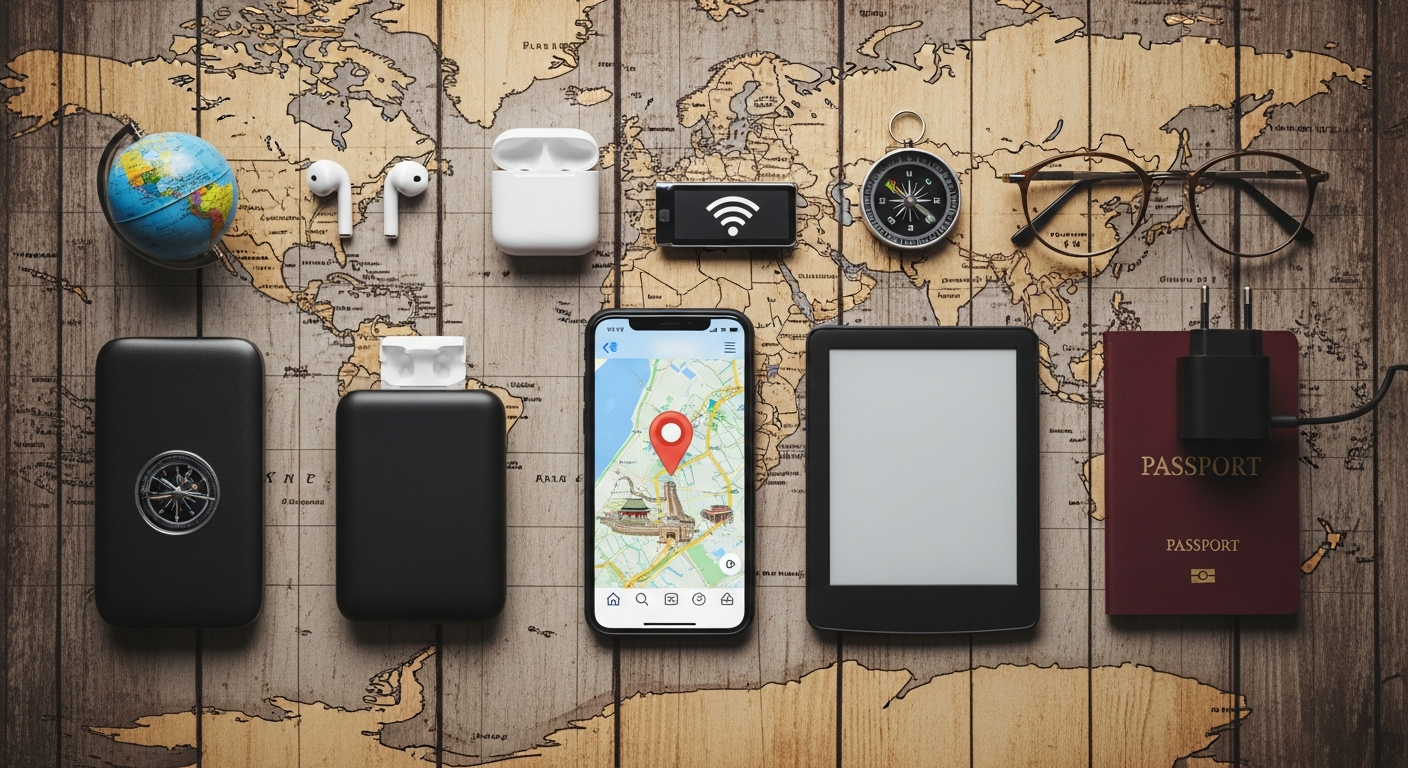
Your phone matters more than your passport wallet now. That sounds dramatic, but a 2023 survey backs it up: 89% of international travelers ranked their smartphone above their physical wallet in importance. Paper maps and printed hotel confirmations feel almost quaint at this point.
The tricky part isn’t finding travel apps. There are thousands. The tricky part is figuring out which ones actually work when you’re standing in a foreign train station with no cell signal and a bus to catch.
Why Digital Prep Beats Winging It
Printing itineraries and carrying phrasebooks made sense in 2005. Not anymore. Google Maps lets you download entire cities for offline use, which has probably prevented more tourist meltdowns than any other feature in smartphone history. You can wander through Tokyo’s backstreets without data and still find your hotel.
But not all apps perform equally when connectivity gets spotty. Some need constant internet access to function. Others work fine offline but drain your battery in three hours. Knowing the difference before you board that 14-hour flight saves real headaches.
Keeping Your Data Safe on Sketchy Networks
Here’s something most travelers learn the hard way: airport and hotel Wi-Fi networks are basically open invitations for hackers. A multi country vpn encrypts everything leaving your device, so even if someone’s snooping on that cafe network in Barcelona, they can’t read your data. These tools also let you access streaming accounts and banking apps that might be blocked in certain countries.
Kaspersky’s security researchers have documented how attackers specifically camp out on tourist hotspot networks. They’re waiting for someone to check their bank balance or enter a password. It happens constantly, and most victims never realize it until charges appear weeks later.
There’s also a money angle people miss. Booking sites sometimes show different prices depending on where they think you’re located. Connecting through different server locations occasionally reveals cheaper rates for the exact same flight or room.
Communication Apps That Don’t Fail You Abroad
WhatsApp became the default international messaging app for practical reasons. It runs on Wi-Fi, handles calls and video, and doesn’t care whether you have a local SIM card. Two billion monthly users means whoever you need to reach probably already has it installed.
Google Translate’s camera mode genuinely impresses. Point your phone at a menu in Korean or a sign in Arabic, and readable English appears on screen. The conversation feature works decently for simple exchanges too, though expecting it to handle complex negotiations with a landlord or mechanic sets you up for frustration.
Forbes noted that travelers who download offline language packs before leaving home hit 40% fewer navigation snags than those relying on cellular data alone. That stat tracks with common sense: dead zones exist everywhere, even in major cities.
Handling Money Without Getting Gouged
Currency converter apps show you real exchange rates. Airport kiosks don’t. That’s the simple version.
Wise and Revolut cards charge the actual interbank rate with minimal fees. Your regular credit card probably adds 2.5% to 3% on every foreign purchase without telling you. On a two-week trip where you spend $3,000, that’s $75 to $90 gone. Not huge, but annoying when better options exist.
Apple Pay and Google Pay acceptance has spread faster than most people realize. Tapping your phone works in more places than swiping a card now, especially across Europe and Southeast Asia.
Finding Flights and Beds
Skyscanner and Google Flights catch most deals, but they miss some budget carriers entirely. Checking Ryanair or AirAsia directly sometimes surfaces fares the aggregators skip. It’s worth the extra two minutes.
Wikipedia’s travel booking comparison lists Booking.com at over 28 million properties worldwide, which explains why it tends to surface options other sites miss. Airbnb still wins for longer stays where you want a kitchen and neighborhood feel rather than a hotel lobby.
The Offline Reality Check
Every digital tool becomes useless without battery. Pack a portable charger with at least 10,000mAh capacity. Universal adapters with built-in USB ports eliminate the need for carrying multiple chargers.
Download entertainment before you leave. Netflix, Spotify, and podcast apps all support offline saves. A long layover or overnight bus becomes significantly less painful with a few hours of content ready to go.
The travelers who move smoothly through foreign countries aren’t necessarily tech-obsessed. They just spent 30 minutes before departure getting their tools ready. Small investment, big payoff.