Introduction: The Enduring Symbol of Diamonds
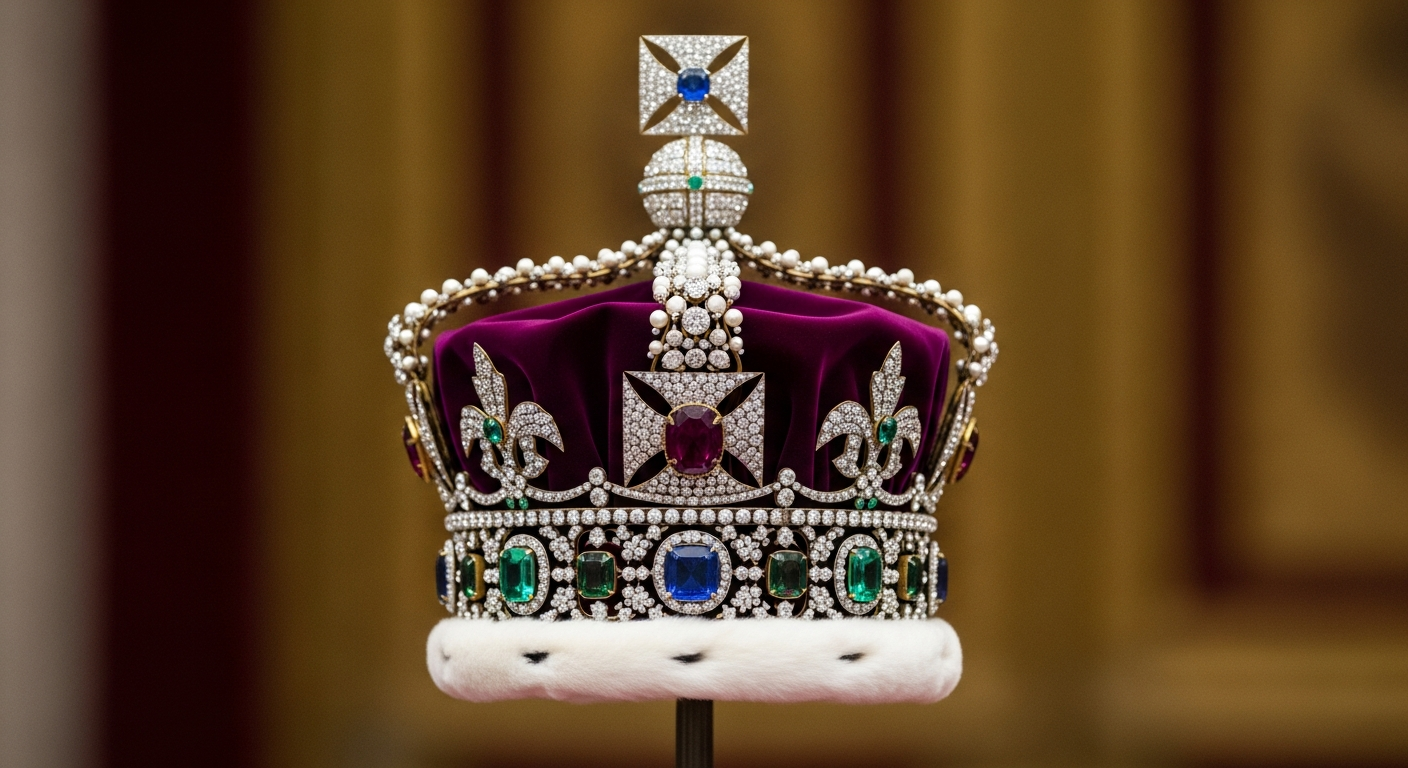
Few gemstones in the world have captured the human imagination quite like the Diamond. Known for their brilliance, durability, and rarity, diamonds have long symbolized love, power, and timeless beauty. Across centuries and cultures, they have appeared in royal crowns, engagement rings, high fashion collections, and works of art. The phrase “Diamonds are Forever” has become more than just a slogan; it reflects the lasting cultural and emotional value associated with these extraordinary stones.
The idea gained global recognition through the famous advertising campaign created by De Beers in the mid-20th century. The phrase not only promoted diamond engagement rings but also shaped public perception of diamonds as eternal symbols of commitment and luxury. Over time, the concept expanded beyond romance and entered the worlds of art, fashion, and global luxury markets.
Today, diamonds remain among the most sought-after gemstones in the world. Their influence can be seen in creative industries, high-end design, and global commerce. Understanding why diamonds continue to hold such timeless appeal reveals much about human culture, beauty standards, and the psychology of luxury.
Diamonds in Artistic Expression
Artists throughout history have been inspired by the brilliance and symbolism of diamonds. In visual art, diamonds often represent wealth, power, purity, and eternal beauty. Painters have depicted royal figures adorned with diamond jewelry to convey status and influence, while sculptors and contemporary artists have used diamond imagery to explore themes of value and permanence.
One of the most famous cultural references to diamonds in the arts appears in the classic film Diamonds are Forever, part of the legendary James Bond film series. The movie helped reinforce the glamorous association between diamonds and luxury lifestyles. In the film, diamonds symbolize intrigue, wealth, and global power, reflecting how deeply the gemstone is embedded in storytelling.
In modern art, diamonds also appear as symbols of contrast. Some artists use diamond imagery to question materialism and consumer culture, while others celebrate their beauty as masterpieces of nature. Whether portrayed realistically or symbolically, diamonds continue to inspire artistic interpretation because of their visual brilliance and cultural meaning.
The gemstone’s ability to reflect light in countless directions mirrors the many interpretations artists bring to their work. In this way, diamonds serve not only as physical objects of beauty but also as powerful symbols in creative expression.
The Influence of Diamonds in Fashion
In the fashion world, diamonds have long represented sophistication and elegance. From royal courts to modern red carpets, diamond jewelry has been a defining element of high fashion. Designers incorporate diamonds into necklaces, earrings, bracelets, and rings that complement luxurious clothing collections.
One of the most iconic moments in fashion history connected to diamonds is the famous performance of Marilyn Monroe singing “Diamonds Are a Girl’s Best Friend” in the classic film Gentlemen Prefer Blondes. This scene cemented diamonds as symbols of glamour and feminine elegance in popular culture.
Luxury fashion houses frequently feature diamonds in their most exclusive jewelry collections. Designers experiment with modern settings, combining diamonds with platinum, gold, and colored gemstones to create innovative pieces. These creations often appear during fashion weeks in cities such as Paris, Milan, and New York City, where high jewelry showcases attract global attention.
Diamonds are also valued in fashion because of their versatility. They complement nearly any style, from minimalist designs to elaborate statement pieces. A simple diamond pendant can express understated elegance, while an elaborate diamond necklace can become the centerpiece of a luxury ensemble.
This adaptability allows diamonds to remain relevant even as fashion trends change over time.
Diamonds as Symbols of Love and Commitment
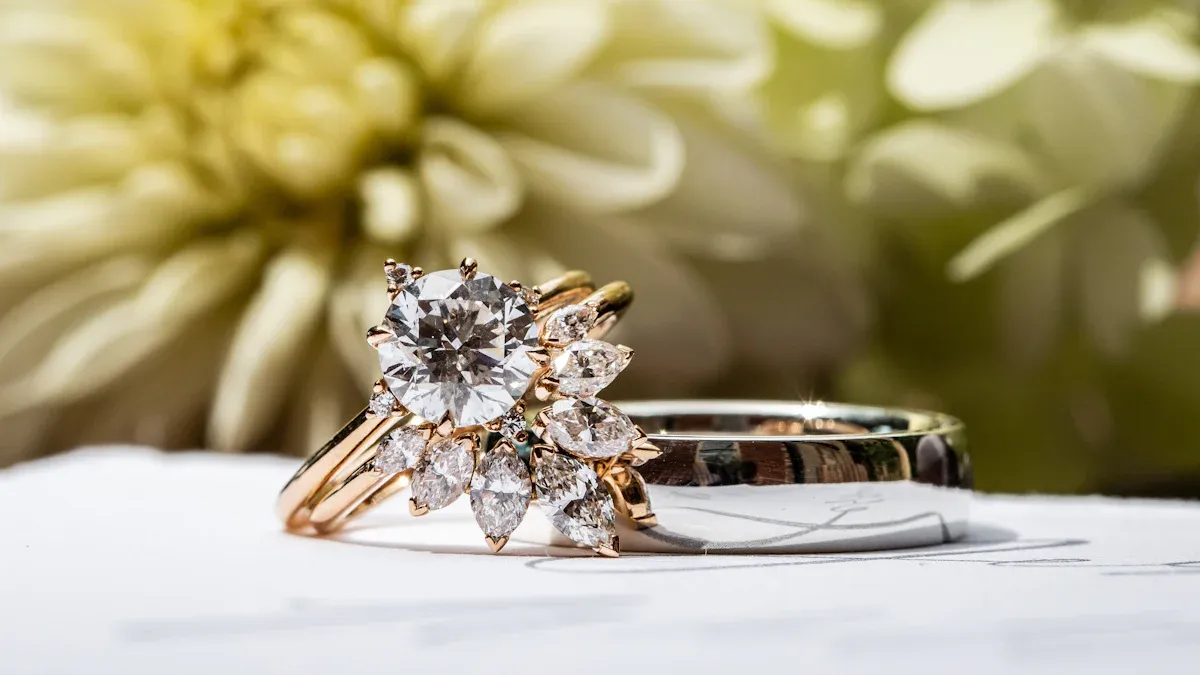
Perhaps the most powerful cultural role of diamonds lies in their association with romantic commitment. Diamond engagement rings have become a global tradition symbolizing enduring love. The durability of diamonds—ranking highest on the Mohs hardness scale—makes them ideal metaphors for lasting relationships.
The tradition of diamond engagement rings became widespread during the twentieth century, largely influenced by marketing campaigns that linked diamonds with eternal love. Over time, the practice spread across continents and cultures, becoming a standard symbol of engagement and marriage.
When couples exchange diamond rings, they often view the gemstone as a representation of permanence and devotion. Its physical durability reinforces the emotional meaning behind the gesture.
While other gemstones are also used in engagement jewelry, diamonds remain the most popular choice worldwide. Their reputation for timelessness continues to strengthen their role in romantic traditions.
The Luxury Market and Global Demand
Diamonds are not only cultural symbols; they are also major economic assets within the global luxury market. The international diamond trade involves mining, cutting, polishing, and retail industries that operate across many countries.
Major diamond trading centers include Antwerp, Tel Aviv, and Mumbai, where skilled craftsmen transform rough stones into dazzling gemstones ready for jewelry creation. These cities play essential roles in the global diamond supply chain.
Luxury brands continue to drive demand for high-quality diamonds through exclusive jewelry collections. Wealthy collectors often seek rare diamonds with exceptional clarity, color, and size. Some of the world’s most famous diamonds are displayed in museums or private collections, attracting global fascination.
The value of diamonds in luxury markets stems not only from their rarity but also from their perceived permanence. Unlike many fashion items that lose relevance quickly, diamonds maintain their prestige over generations.
This enduring value makes them attractive both as luxury goods and as long-term investments.
Technological Innovation in the Diamond Industry
While diamonds have ancient origins, modern technology has transformed how they are mined, cut, and marketed. Advances in precision cutting allow gemologists to maximize a diamond’s brilliance by carefully shaping its facets.
New technologies have also introduced laboratory-grown diamonds, which share the same physical and chemical properties as natural diamonds. These lab-created gems offer consumers additional options and often appeal to buyers interested in sustainability or affordability.
Despite this innovation, natural diamonds still hold unique appeal due to their geological origins. Formed deep within the Earth under immense pressure and heat, natural diamonds are billions of years old. This ancient origin adds a sense of mystery and natural wonder that many collectors find irresistible.
Technology also helps ensure ethical sourcing through improved tracking and certification systems, providing transparency in the diamond trade.
Diamonds in Modern Popular Culture
Diamonds remain powerful symbols in modern entertainment and media. They appear in music lyrics, films, fashion campaigns, and celebrity culture. Pop icons frequently wear diamond jewelry during award shows and public appearances, reinforcing the gemstone’s connection to fame and success.
Artists such as Rihanna and Kanye West have referenced diamonds in their music, linking them to luxury lifestyles and personal achievement. These cultural references continue to shape how younger generations perceive diamonds.
Social media has also amplified the visibility of diamond jewelry. Engagement announcements, red carpet events, and fashion editorials often feature dazzling diamond pieces that capture global attention.
This ongoing presence in popular culture ensures that diamonds remain relevant even as new luxury trends emerge.
The Psychological Appeal of Diamonds
The fascination with diamonds is not purely economic or cultural; it also has psychological roots. Humans are naturally drawn to objects that sparkle and reflect light. The brilliance of a well-cut diamond creates visual excitement that captures attention instantly.
Diamonds also evoke emotions connected to achievement, romance, and prestige. Owning or receiving a diamond often symbolizes an important life milestone, whether it is an engagement, anniversary, or personal accomplishment.
In luxury markets, scarcity plays a crucial role in shaping desirability. Because high-quality diamonds are relatively rare, they become status symbols that signal wealth and exclusivity.
These psychological factors contribute to the enduring perception that diamonds represent something special and lasting.
Conclusion: Why Diamonds Continue to Shine Through Time
From ancient royal treasures to modern engagement rings, diamonds have maintained their reputation as the ultimate symbol of beauty and permanence. Their presence in art, fashion, and luxury markets reflects a cultural fascination that spans generations.
Artists use diamonds to explore themes of power and eternity, fashion designers showcase them as icons of elegance, and luxury markets treat them as valuable assets. At the same time, romantic traditions continue to reinforce the idea that diamonds represent enduring love.
The phrase “Diamonds are Forever” remains powerful because it captures the essence of what diamonds symbolize: durability, brilliance, and timeless appeal. Whether displayed in museums, worn on red carpets, or exchanged during life’s most meaningful moments, diamonds continue to shine as one of the world’s most cherished treasures.
As long as humans appreciate beauty, rarity, and symbolic meaning, the allure of diamonds will likely endure—reflecting light not only through their facets but also through centuries of culture, art, and luxury.